Ihave been thinking about society’s obsession with teeth. Keeping them crispy white, straight, clean and shining is a craze for many. Unfortunately, I am one of them.
Teeth require constant maintenance. I brush with an electric toothbrush twice a day. I see my dentist twice a year, just for proactive maintenance. I keep them shiny and white. Any little issue is fixed straight away. I have good teeth.
But that was not how it was back in the day.
When I was a child, I had two big front teeth. They slightly hulked out. A deadly combination growing up with my permanent smile. That combination came with the odd challenge. A street kid once confronted me if I was making a face at him. My grandmother hearing the exchange of words, quickly came to my rescue.
Soon after that incident, my father took me to an orthodontic dentist. Back then, in Sri Lanka, orthodontic treatment was very new. Paying a hefty amount of money, something like Rupees 200, he ordered braces for me. That was 50% of his monthly salary then. Thanks to his generosity, I was on a journey to fix my front teeth.
With the newly crafted braces, my teeth hurt a lot. I could not eat well. Back then, braces were less advanced and pretty basic; a metal rod and holder inside your upper jaw.
Leave a twelve-year-old with uncomfortable braces; stuff happens. A few months later, my braces broke in two. And my father could not find money to get replacement braces. So, I was left without them. My teeth remained as it was. They continued to be jutted out a bit.
My first extraction when I was about fifteen was at the dental hospital in Colombo. The dental surgeon was Dr Gunadasa Amarasekera. Not only was he a dentist, but he was famous all over Sri Lanka for his literature and poetry. He was the author of many books. When I came home with my father after the extraction by the famous dentist, I had a swollen cheek. The recovery was painful when the anaesthetic dried down. I was off school for a few days.
Nowadays, we have a range of toothpaste and electric toothbrushes. Dental products and services are a vast industry. Back then, in Sri Lanka, many brushed their teeth with charcoal powder using their fingers. Some used figs to clean their teeth. There were no toothbrushes for many. Toothpaste was restricted to more affluent families.
My grandmother told me that when they were growing up, some pulled their damaged teeth in an excruciating way. A family member tied a strong string around the damaged tooth. The other end of the line was tied to a door handle. Then the door was slammed. Can you imagine the pain the previous generations have gone through to extract their teeth? Also, the toothaches they have endured until that point. They had no anaesthetics. Their gums would have torn badly after those horrendous slams.
Kadayamma, my grandmother, was younger than I am today when she defended me against the boy who confronted me about my teeth. Here’s the thing: I have perfect teeth, albeit some crowns. She had no front teeth. This is because dentistry has advanced so much now. I am a beneficiary of that advances in sciences.
When I was about seven, one of my grandaunts died following complications from a tooth extraction. Yes, people died post-dental work some sixty years ago. She was only fifty-two. It was a life-threatening procedure, risking death back then.
A few decades later, I was now a father. My eldest child had a nasty accident at home when she was about ten, fracturing her two front teeth. It was a massive blow to me as a father. It pained me because she had perfect teeth. Fortunately, I had the financial resources to get her the best reconstruction treatment in Sydney.
Some of my kids had orthodontic treatments growing up. By then, treatments and brace technology were so advanced that it was not a big issue for them. Looking at their perfect teeth and smiles today, I feel much more satisfied. And grateful. Fortunately for them, they did not go through the pains and tribulations of their previous generations.
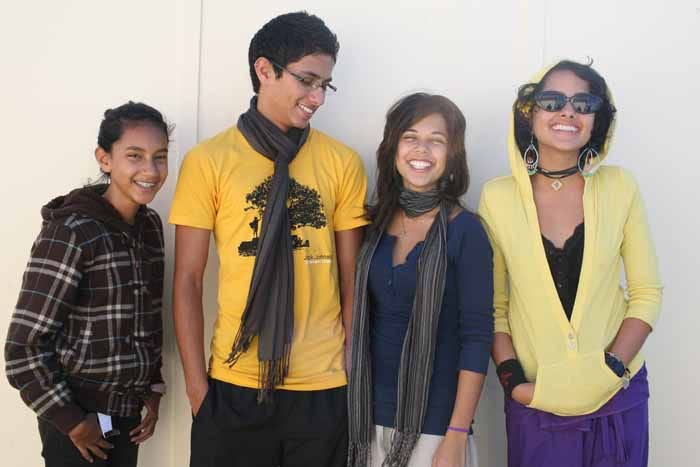
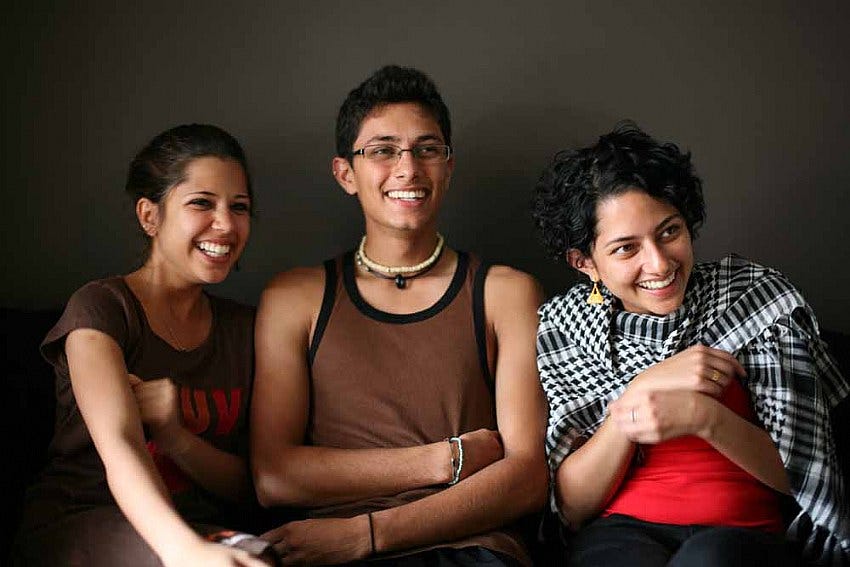
My confident kids, the youngest on the extreme left is wearing her braces back in 2008 when these photos were taken.
We are so advanced in dental care that I have a little grandkid who brushes her teeth with an electric toothbrush.
In a generation or two, we have so much more to be grateful for our perfect teeth.
This is the thing. After my four kids went to university and my commitments for them were over, I saw an orthodontic surgeon. That was many decades after my appointment with an orthodontic dentist accompanied by my father. After two years of treatment wearing braces, my front teeth were fixed. No more jutting out.
I have come full circle in orthodontic treatment.
It is also a cool thing to have perfect teeth. You can smile wholeheartedly.
I am grateful for the dentists of old and now. They are life-givers in confidence.
Packing lists An addiction to packing lists Denzil Jayasinghe 3 min read·Nov 6, 2022 My fascination with packing lists started when I was young. Eventually, it became a life-long habit, a kind of addiction. When I enrolled at the Christian brothers’ formative school at eleven, a packing list was given to my parents. 2 School shorts 2 School shirts, white 2 Baniyans, aka vests 4 Pairs of white socks 1 Sarong 2 Casual shirts 2 Casual shorts 2 Handkerchiefs 1 Toothbrush 1 Comb 1 Bedsheet 2 Pillowcases 1 Pair of black shoes 1 Pair of canvas sports shoes My parents went into fast gear to assemble the packing list. My father started from the bottom of the list, the shoes. He took me by bus to Colombo to P G Martins, a shoemaker. We came out of that shoe store with DS-branded black and Shinwa-branded canvas shoes. Also bought was a Ford suitcase, in shiny sky-blue colour. Mother bought vests and socks from Velona, a garment outlet run by one of our relations, Aunty Helen. A trip to a ta...
A Child of Curiosity How inherent inquisitiveness became a key driver in learning experiences. Denzil Jayasinghe · B orn in the mid-20th century, I am a product of the post-World War II era. My parents, who were teenagers when the war commenced, married in the 1950s. As a representative of the baby boomer generation, I was born under the astrological sign of Capricorn, the tenth sign of the zodiac. My birth took place at Zoysa Nursing Home, a renowned institution in Colombo, Sri Lanka, around 5 in the morning. Sri Lanka, known for its tropical climate, is a beautiful island nation south of India. This climate appealed to me, and I sought similar weather in my twenties, spending them in Dubai, where the winter resembles an Australian summer. Raised by religious parents, I held them in deep affection. However, the church teachings posed a paradox for a young mind, instructing one to love God more than one’s parents. I initially adhered to the Ten Commandments and other societal norms in ...
Doctor Doctor Memories of medical care in my early years As a toddler, I contracted whooping cough, a deadly disease of that time. My mother went through a lot of anxiety until I got better. She was so pleased with the doctor who treated me that he became our family doctor. As a two-year-old, I don’t remember a thing about that trying time. It must have shaken my mother so much; she thought my survival was a miracle. She never failed to remind me of that fact growing up. At four years, I was operated on for hydrocele at Lady Ridgeway Children’s Hospital in Colombo. During my entire stay, my mother stayed with me at the hospital, sleeping nearby. I have great memories in the hospital, caring nurses and frequent visits from my grandfather, Lewis . I loved his visits, his fancy stories sitting on my bed. When the hospital discharged me after four days, my grandfather carried me to his car. Back home, I was not allowed to wear pants until I healed. That was embarrassing. The discharge...


Comments
Post a Comment