Ido not come to Ajman to explore the sand dunes or see Bedouin life. But I have chosen to come here for just one thing: for an afternoon swim. At the Ajman beach hotel.
On the poolside, there are recliners under sunshades. I lie on a recliner in my green swimmer brief. The water is warm and blue. The pool is not too big nor too deep. Hot chips and Pepsi-Cola are offered to the swimmers. More experienced cosmopolitan guests would think that this is an insignificant cheap treat. But I love hot chips and relish them.
Fakhrubhai paid for my entrance to the pool. He pays for the chips. He is a manager at my workplace, the accounts officer, responsible for the general ledger, foreign currency accounts, accounts payable and receivable and bank’s expenses. He gives me a daily lift to work in his Toyota Cressida and drops me home after work. He treats me like a son; he is a father figure. Fakhrubhai reminds me of my father. Fakhrubhai looks like my father. The hotel workers ask whether I am his son. I say, ‘No, he is my uncle’. It is too complex to explain the working relationship simply enough.
Two boys swim in the pool. They ask me to join them in water polo. They are good swimmers and athletic at that. They are surprised that I work. They talk to me in Urdu. I answer using my poor language skills in smattering Urdu. We play in the water for an hour, until I am tired and need a rest.
The sky is perfectly blue and unclouded. The sea beach is only a few meters away. From the pool’s gate, I look at the deserted beach. I love the baked white sand, pristine and clean. Week after week, the weather is the same, with hot and bright sunshine practically every day.
Look over to the north; there are a few beach houses. Throughout the long summer, you wear scanty clothes. I see my scraggy legs every time I am at the pool. I want to get fat, but it does not happen. Does anyone find my body attractive? However much, I eat, I do not get fat. So where do all these fatty foods go?
Deep within me, I am happy. Fakhrubhai talks to me regularly and explains his life in Yemen before he left there due to social unrest. The bartender offers beers, but Fakhrubhai refuses and says, ‘This bachcha does not drink’. Fakhrubhai does not know that I had my brush with alcohol long before I became a young man. He orders more chips, saying to the waiters, ‘This boy is growing’, pointing to me.
I offer a few chips to my two friends. They thank me in Urdu and eat them under a shade at the corner of the pool. I wish I could talk to them more. Unfortunately, my lack of Urdu skills prevents my conversations beyond simple pleasantries.
Open spaces are not merely lovely. Sunshine brightens your day. It makes you generous and lively. It is an agent of kindness, the realisation of the current moment. I am immersed in my surroundings under the watchful eye of Fakhrubhai.
I think of my life. I grew up in the south of Asia. Now I am in the Arabian Gulf, halfway between Europe and Asia. If the ways and lifestyle of the Gulf are too entrenched in my life, I need the virtues of the South. I must come to lie on the poolside in Ajman, looking up at the blue sky above me to reflect on my life.
I have become, by habit, dutiful, serious, hard-working, and social. It is deeply noble of Fakhrubhai’s generosity that has led me here to the world of grownups, recliners and chips by the pool.
It is getting dark. I pack and dry myself in the changing room with Fakhrubhai. Fakhrubhai drives me, me sitting on the passenger side, through Ajman streets to the outskirts of Sharjah. I enjoy his conversations and wisdom. Twenty minutes later, I am welcomed into their home, a single-storey villa.
I sit with Fakhrubhai’s children, Fuad and Mariam and watch a Hindi movie on their large TV and VCR combo. I engage in small talk with Fakhrubhai’s son, Fuad. Sakina-ji, Fakhrubhai’s wife, is cooking a mutton Biryani. Their whole house is filled with the aroma. I eat dinner with them, enjoying the company and the lumpsum meal.
It is now night-time. Fakhrubhai drops me home in his Cressida. I will see him again tomorrow morning at seven when he picks me up on our way to work.
Ajman beach hotel stands tall till today in Ajman, United Arab Emirates
Fakhrubhai lives with his wife Sakina-ji in Mumbai in retirement, while his children, Fuad lives in England and Mariam in Sharjah. The writer keeps in touch with Fakhrubhai regularly.
Packing lists An addiction to packing lists Denzil Jayasinghe 3 min read·Nov 6, 2022 My fascination with packing lists started when I was young. Eventually, it became a life-long habit, a kind of addiction. When I enrolled at the Christian brothers’ formative school at eleven, a packing list was given to my parents. 2 School shorts 2 School shirts, white 2 Baniyans, aka vests 4 Pairs of white socks 1 Sarong 2 Casual shirts 2 Casual shorts 2 Handkerchiefs 1 Toothbrush 1 Comb 1 Bedsheet 2 Pillowcases 1 Pair of black shoes 1 Pair of canvas sports shoes My parents went into fast gear to assemble the packing list. My father started from the bottom of the list, the shoes. He took me by bus to Colombo to P G Martins, a shoemaker. We came out of that shoe store with DS-branded black and Shinwa-branded canvas shoes. Also bought was a Ford suitcase, in shiny sky-blue colour. Mother bought vests and socks from Velona, a garment outlet run by one of our relations, Aunty Helen. A trip to a ta...
A Child of Curiosity How inherent inquisitiveness became a key driver in learning experiences. Denzil Jayasinghe · B orn in the mid-20th century, I am a product of the post-World War II era. My parents, who were teenagers when the war commenced, married in the 1950s. As a representative of the baby boomer generation, I was born under the astrological sign of Capricorn, the tenth sign of the zodiac. My birth took place at Zoysa Nursing Home, a renowned institution in Colombo, Sri Lanka, around 5 in the morning. Sri Lanka, known for its tropical climate, is a beautiful island nation south of India. This climate appealed to me, and I sought similar weather in my twenties, spending them in Dubai, where the winter resembles an Australian summer. Raised by religious parents, I held them in deep affection. However, the church teachings posed a paradox for a young mind, instructing one to love God more than one’s parents. I initially adhered to the Ten Commandments and other societal norms in ...
Doctor Doctor Memories of medical care in my early years As a toddler, I contracted whooping cough, a deadly disease of that time. My mother went through a lot of anxiety until I got better. She was so pleased with the doctor who treated me that he became our family doctor. As a two-year-old, I don’t remember a thing about that trying time. It must have shaken my mother so much; she thought my survival was a miracle. She never failed to remind me of that fact growing up. At four years, I was operated on for hydrocele at Lady Ridgeway Children’s Hospital in Colombo. During my entire stay, my mother stayed with me at the hospital, sleeping nearby. I have great memories in the hospital, caring nurses and frequent visits from my grandfather, Lewis . I loved his visits, his fancy stories sitting on my bed. When the hospital discharged me after four days, my grandfather carried me to his car. Back home, I was not allowed to wear pants until I healed. That was embarrassing. The discharge...
 4 min read·Jan 9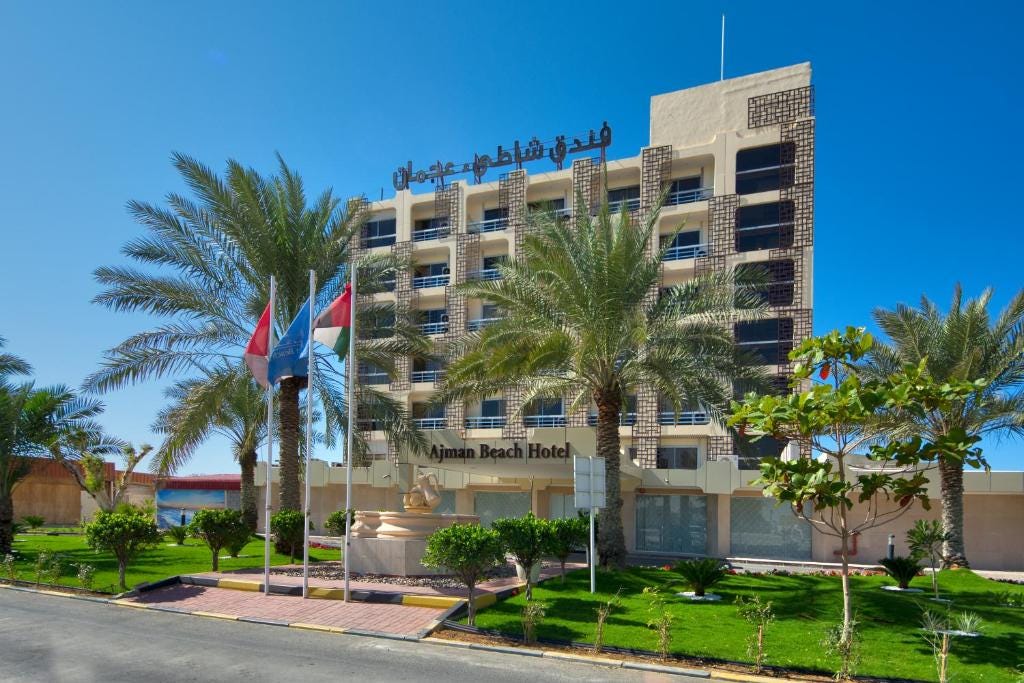


Comments
Post a Comment